A dentist got tired of the 9 PM charting. So she built the fix.
Smile Guide AI was built by a practicing dentist who lives the problems it solves — not by software people who interviewed a few dentists and guessed.
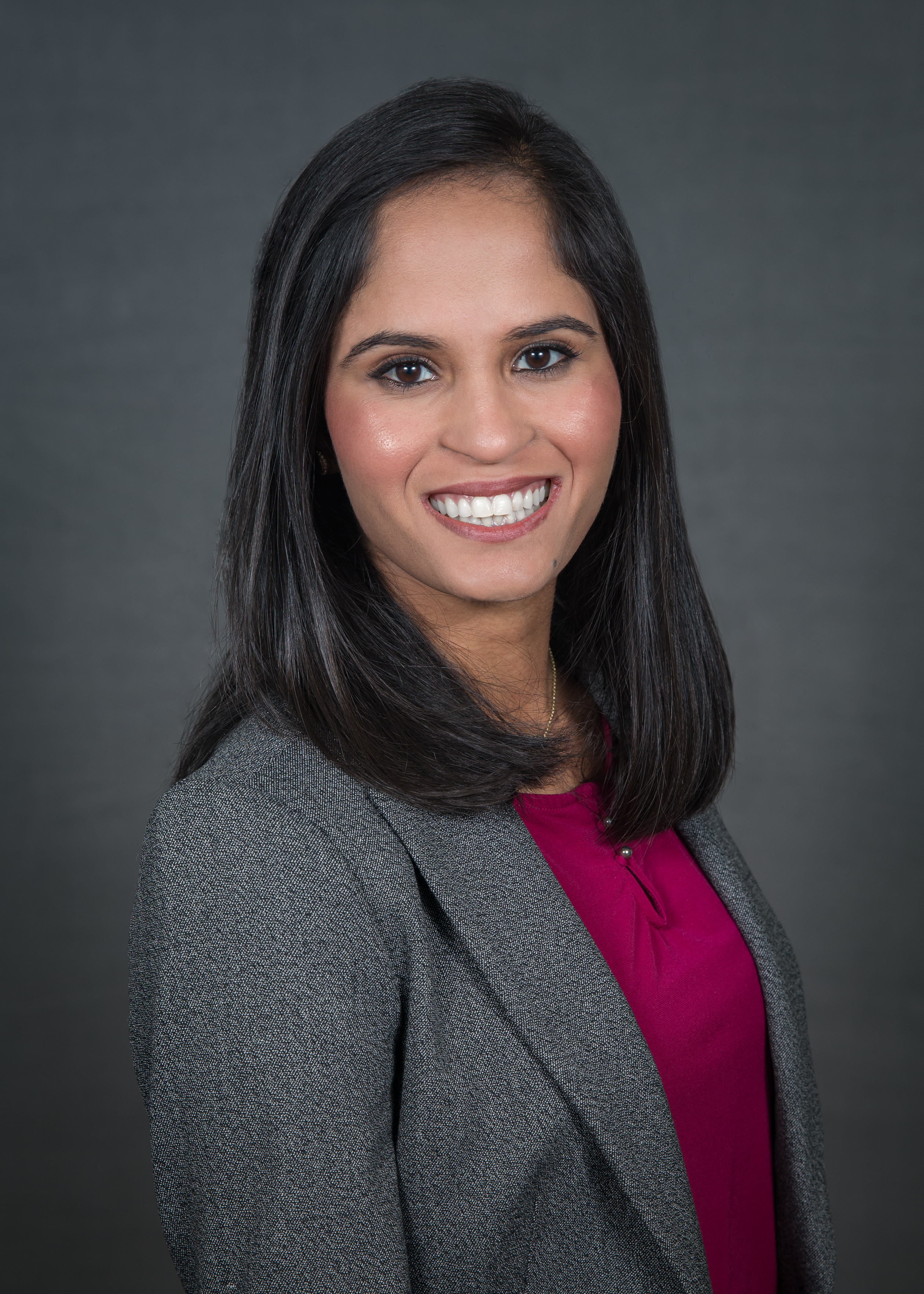
Why I built this.
I’m Dr. Shah. I’ve spent my career practicing dentistry in the Midwest — running operatories, training associates, running a front office, and seeing patients who deserve my full attention.
For years, I was the dentist staying after the last patient left, finishing charts I couldn’t finish during the day. I watched my front office wrestle with CDT codes, guessing whether a procedure was one code or another, then eating the cost when a claim came back denied. I answered the same clinical questions for my associates over and over — the kind every practice has, that live in someone’s head or a binder no one can find.
None of this was the dentistry I trained for. It was the overhead of dentistry — the administrative weight that sits on top of the actual care. And it was getting heavier every year.
Generic AI wasn’t the answer.
When AI tools started arriving, I tried them. They didn’t help — and worse, they couldn’t be trusted in a clinical setting.
A general-purpose chatbot pulls from the open internet. It can’t tell you where an answer came from. It can’t tell you when it doesn’t know. It will confidently give you a number that’s wrong, with no citation and no way to check. In most jobs, that’s an annoyance. In dentistry — where a wrong answer can mean a wrong procedure, a denied claim, or a chart that won’t hold up under audit — it’s a non-starter.
I didn’t want AI that sounded confident. I wanted AI I could cite. AI that knew the difference between a vetted clinical source and a forum post. AI built to assist a clinician’s judgment, not replace it.
That tool didn’t exist. So I built it.
How Smile Guide AI is different.
Smile Guide AI is built on three principles.
It’s grounded. Every answer comes from a curated clinical knowledge base, vetted by practicing dentists — not the open internet. Every answer is sourced and citable. If Smile Guide AI tells you something, you can see where it came from.
It assists; it doesn’t replace. Smile Guide AI suggests, drafts, and grounds. The clinician decides. Every chart note is reviewed and signed by you. Every CDT code is verifiable against your documentation. The judgment stays where it belongs — with the dentist.
It works the way an operatory actually works. One system for the clinical question, the chart note, and the claim — because in a real practice, those aren’t three separate problems. They’re one patient encounter.
What we’re building toward.
Dentistry is one of the last corners of healthcare where clinicians still carry the full administrative load themselves — the charting, the coding, the clinical lookups, the standardization across a team. It doesn’t have to be that way.
Smile Guide AI exists to give dentists their time, their evenings, and their attention back — so the work can be about patients again, not paperwork. Built with care, by a dentist. Trusted by the clinicians who use it.
Built by a dentist who's still in the operatory.
Try Smile Guide AI free for 14 days. See what it feels like to leave the charts at the office.
Built with care. Trusted by clinicians.